Drinkware Impact Architecture · Rural Zimbabwe
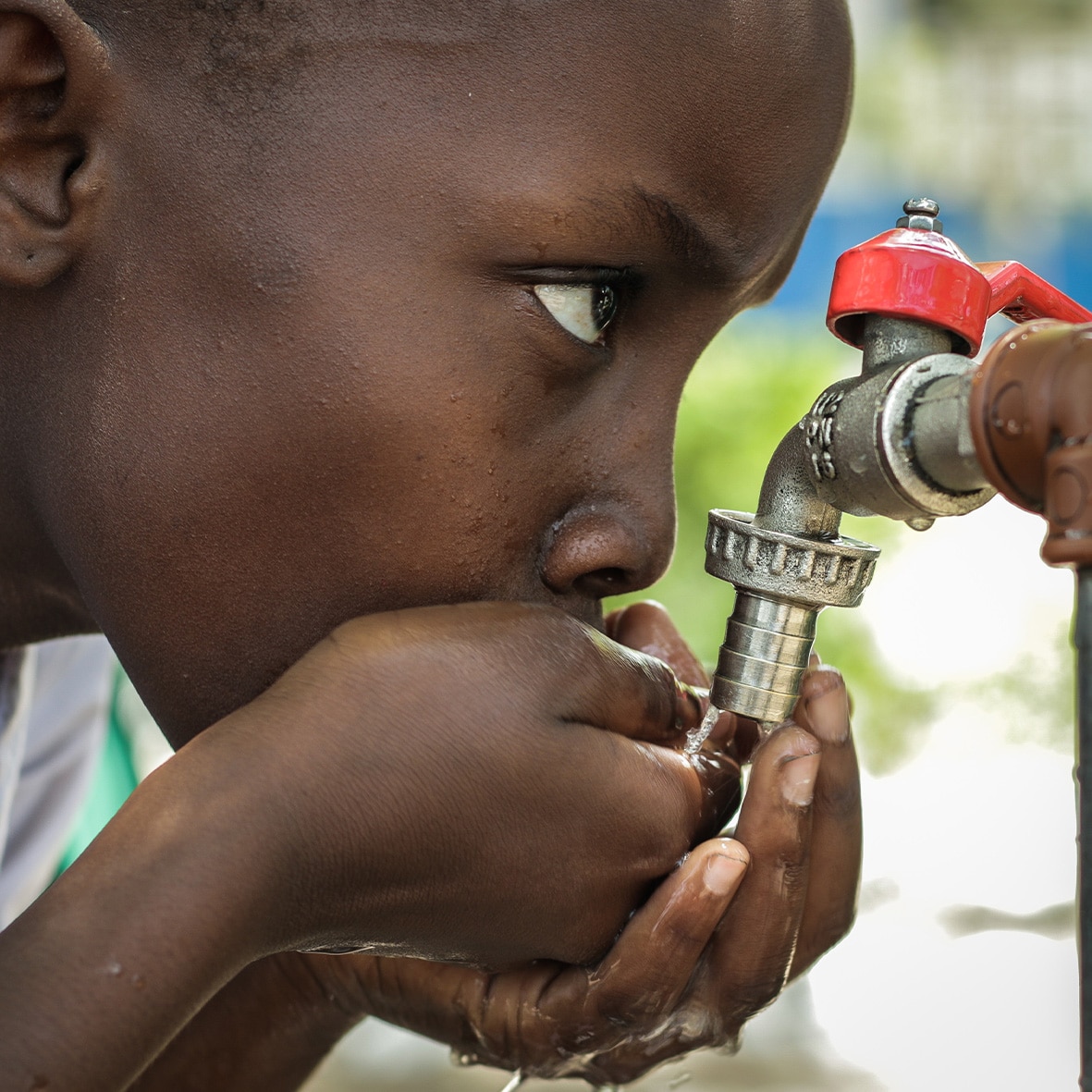
Every single insulated bottle or tumbler funds 2.5L of clean water per day—and every 400 units builds a protected Upgraded Family Well on a rural homestead so children walk to school instead of walking miles for water.
400 Units = 1 Family Well
Protected clean water for 10–20 people
1 Bottle = 2.5L Clean Water / Day
Conservative 1,000L daily homestead yield
GPS Tracked · Audited ESG Pack
Also ordering tech? See 1:1 Solar Lights →
Without safe water close to home, children fall ill, miss school, and spend arduous hours daily carrying jerrycans instead of learning.
2.1bn
That's 1 in 4 people on the planet, including 106 million who still drink straight from rivers, lakes, and ponds.[1]
1.4m
Safe water, sanitation, and hygiene prevent at least 1.4 million deaths each year, including around 395,000 children under five.[2]
200m
Carried predominantly by women and schoolgirls—over 22,800 years of productive human time, lost every single day.[3]
69%
Diarrhoea remains a leading killer of children under five, and the vast majority is eliminated through protected water and basic hygiene.[2]
$4.30
Water and sanitation deliver high dividends through avoided medical bills, enhanced productivity, and recovered working hours.[4]
10-20
people served by a typical family well[8]
A protected source with a sealed headworks keeps out surface runoff and animal waste, sharply decreasing the incidence of diarrhoea, cholera, and typhoid.[2]
When water collection journeys are reduced from miles to meters, school attendance jumps, with the clearest attendance gains observed in rural girls.[7]
Water in the homestead gives families back hours every day for agricultural work, smallholding tasks, childcare, and homework.[3]
Family wells reliably provide 60-70 litres per person per day across cooking, sanitation, and bathing—far exceeding emergency humanitarian baselines.[11]
Perennial water next to the homestead supports vegetable crops, improving family nutrition, boosting vitamins, and generating marketable surplus.[12]
A celebrated Zimbabwean innovation tested at nationwide scale: rapid to deploy, 100% locally serviceable, and sustained for generations.
Trained local well-builders dig and brick-line the well by hand. No heavy drilling rig to requisition or haul—families receive clean water in weeks, not months.
Per person served, a family well costs roughly one-sixth that of a mechanized borehole in Zimbabwe's national data.[8] The same corporate spend serves far more people.
The homestead owns and guards the asset. Zero imported motorized parts and zero dependence on outside maintenance trucks. Upkeep is low-cost and managed at home.[8]
Developed by Zimbabwe's Blair Research Laboratory. Over 45,000 wells were documented by 2001, proving more dependable and cost-effective than imported machinery.[8][9]
Mortar-lined masonry, raised collar, concrete apron with runoff drainage channel, lockable lid, and windlass keep pollutants and soiled buckets out.[12]
Each well belongs to an identifiable family with GPS coordinates, photos, and personal stories your organization can share with stakeholders and team members.
Zimbabwe spans diverse climatic zones. We engineer each installation to rainfall, subterranean rock, and water table depths so every pound delivers maximum longevity.
£300 - £600
Optimal Zone
Mashonaland & Manicaland (Regions II & III)
Reliable rainfall maintains the aquifer within 15m, enabling hand-dug, mortar-lined wells to yield clean water without heavy rigs.
£1,900 - £3,800+
Optimal Zone
Matabeleland & Lowveld (Regions IV & V)
Semi-arid zones where shallow aquifers dry up. Deep drilling 40-100m with a solar pump supports communal storage year-round.
£4,500 - £9,000+
Optimal Zone
Low-yield basement rock (Chivi, Buhera)
Wide central shaft with horizontal radial bores through tight rock. Delivers high daily yields, but requires specialized drilling machinery.[10]
£225 - £450
Optimal Zone
Eastern Highlands (Nyanga, Chimanimani)
Gravity piping from protected natural mountain headsprings down to homesteads. Zero operating energy, highly location specific.
Cost estimates reflect Power a Life Zimbabwe operations (2026), including materials, masonry, windlass, and apron. Figures vary with depth and terrain.
400
Pieces of drinkware ordered
1
Upgraded Family Well funded
1,000L
Daily yield, conservative model
2.5L
Clean water / item / day
British Geological Survey pump measurements on upgraded family wells recorded 7,500 to 14,700 litres per day.[10] In day-to-day use, a homestead draws what it consumes: roughly 60-70 litres per person daily across cooking, cleaning, bathing, and vegetable gardening for 10-20 people.[8][11]
We purposefully benchmark our metric at 1,000 litres daily. Spread across 400 drinkware units, each item delivers 2.5 litres of clean, protected water every day of the year.
400 Drinkware Items = 1 Homestead Well
2,000+ Units (Consolidated or Multi-Site)
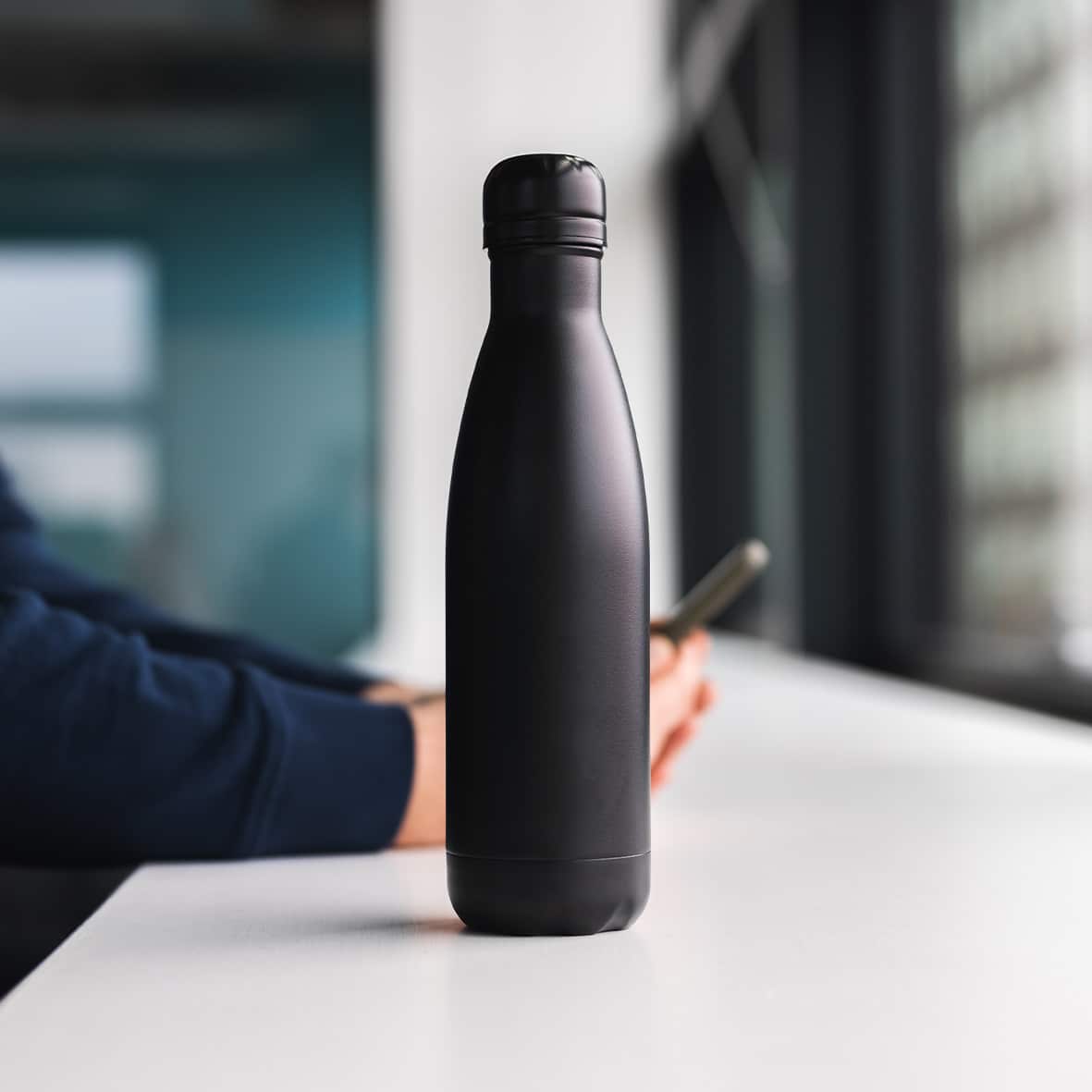
Retail-grade vacuum drinkware laser-engraved with your brand, funding an Upgraded Family Well in Zimbabwe for every 400 pieces.
Ordering tech too? Explore Solar Study Lights →