1-For-1 Tech Impact · Bulawayo, Zimbabwe
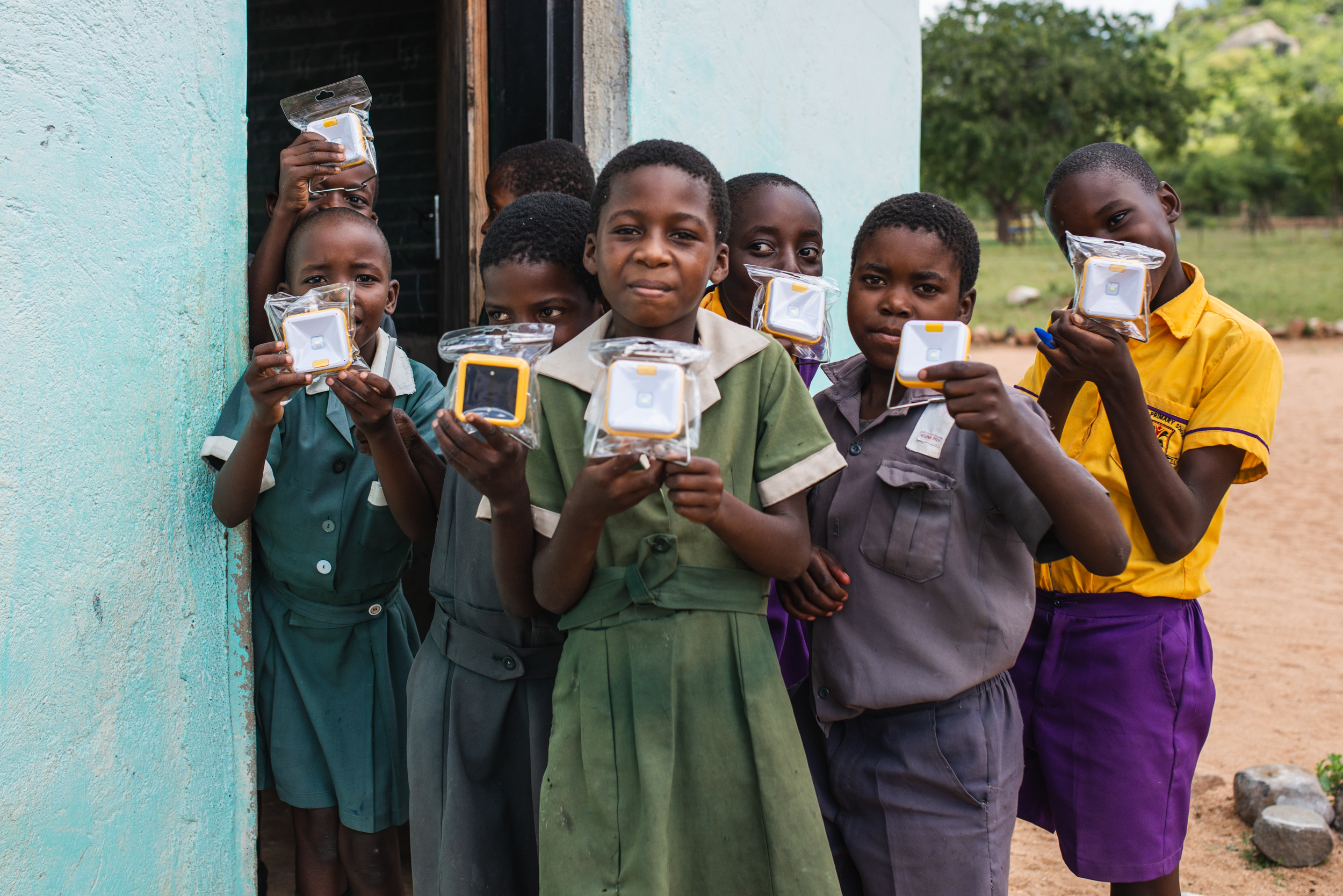
Every Power a Life powerbank or charging cable places a certified solar study light straight into the hands of a child in off-grid rural Zimbabwe—eliminating toxic kerosene smoke and doubling evening homework hours.
1 Tech Gift = 1 Solar Study Light
+1 extra hour of homework every night
+37 Pts Grade 5 Maths Gain
Tracked in Bulawayo schools over 3 months
5 People Reached Per Household
Also ordering bottles? See Clean Water Wells →
In 2013, our founder Jeremie went completely off-grid to live with subsistence farming families in northern Senegal for a month. The aim was to understand these communities properly and build projects with them, not for them.
One thing stood out above everything else. When the sun went down, everything stopped. Children couldn't read or do homework. Parents cooked by firelight or the smoky glow of a kerosene lamp. Going outside meant stepping into total darkness.
Power a Life exists to change that, using the branded tech companies already buy. Your team gets a premium charger. A child gets light.
Read our full story →Without electricity, families rely on candles, torches and kerosene lamps that are expensive, dim, smoky and dangerous. Or they simply sit in the dark.
655m
563 million of them, 86% of the global total, live in sub-Saharan Africa, up from 49% of the total in 2010.[1]
447m
The rural deficit in sub-Saharan Africa has grown from 376 million in 2010 to 447 million in 2024. Rural families are being left behind.[2]
1 in 3
Zimbabwe's national access rate is 62% (2024), but in rural areas it was just 31.6% in 2021, the latest rural figure available.[3]
#1
Often stored in old bottles, kerosene is the leading cause of childhood poisonings, and household fuel lamps cause severe burns.[4]
10-15%
For Africa's poorest families, fuel-based lighting is often the single most expensive item in the household budget.[5]
270,000t
Simple kerosene wick lamps turn 7-9% of their fuel into soot. That's around 270,000 tonnes of climate-warming black carbon every year.[6]
+1 hour
Homework / night with solar light[7]
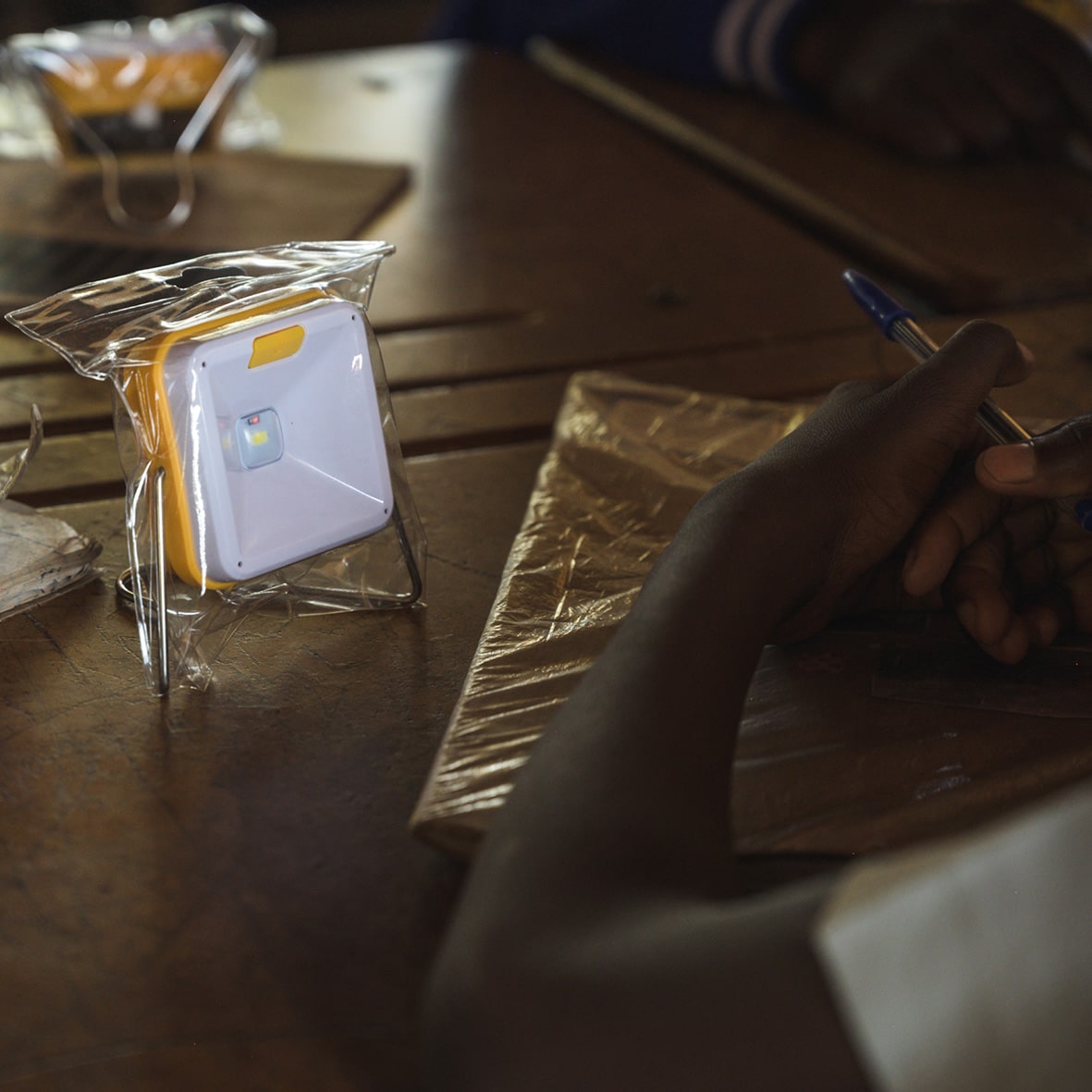
Solar lights are used mainly by children for homework. On average, children in households with one study for an extra hour every night.[7]
No open flame to knock over, and no bottle of kerosene for a toddler to accidentally consume. That removes two massive household hazards.[4]
Families switching from kerosene save roughly $70 a year (~10% of total income), redirected to food and school essentials.[8]
Cooking, chores, and family connection no longer have to be rushed into the final minutes before dusk.
In rural homesteads, the latrine, the water point, and the path home are all outside. Without light, every trip after sunset is a step into the unknown. Our lights are ultra-portable, going everywhere students go.
Latrines sit away from the house. A bright solar light makes that walk far less intimidating, especially for young girls.
Rough paths, ditches, snakes, and scorpions active after dark are avoidable when you can clearly see where you step.
Fetching water before dawn or walking home late from school no longer means navigating in total darkness.
Households report that keeping a solar light active overnight deters wildlife and provides deep peace of mind.[10]
With our charity partner Family Impact in Bulawayo, we recorded class test scores before children received their solar lights, and again three months later.
"Every single child, in every year group, in every subject tested saw improvements in their class tests in only 3 months!"
+5 points
+19 points, doubled
+15 points
+37 points, nearly tripled
+15 points
+13 points
The numbers show the improvement. The headmasters and teachers working with these students daily share the qualitative transformation: higher attendance, focused attention, and elevated confidence.
About this data: class test averages recorded by teachers at partner schools before distribution and three months after. This represents our direct field monitoring in Bulawayo.
Grid power may be years away for these remote communities. A solar light delivers immediate zero-cost light directly into a child's hands.
Charges by day, illuminates by night. Zero running costs ensure savings stay inside the household budget.[8]
Doesn't depend on transmission lines or fuel generators. Operates seamlessly in off-grid homesteads on day one.
Sits on the desk for homework, hangs in the kitchen, and illuminates outdoor paths after dusk.
Grassroots partners identify schools with acute energy poverty and conduct face-to-face handovers.
The child brings it home, and siblings and parents share the light. Each unit directly benefits ~5 family members.[7]
Monitoring teams follow up in subsequent semesters to measure long-term academic and safety outcomes.
1
Tech product purchased
1
Solar light delivered
5
People with clean light[7]
+1hr
Study time / night[7]
An extra hour a night across ~190 school days equals roughly 190 more hours of study per student annually—adding weeks of academic immersion from a single gift.
An enterprise order of 1,000 power banks provides 1,000 children with study lights, lifting 5,000 people out of kerosene smoke.[7]
Retail-grade branded power banks and chargers your people will carry every day, with a 1-for-1 solar light built in for a child in Zimbabwe.
Ordering drinkware too? Explore Clean Water Wells →
Class test results reflect Power a Life and Family Impact programme monitoring data from partner schools in Zimbabwe.